

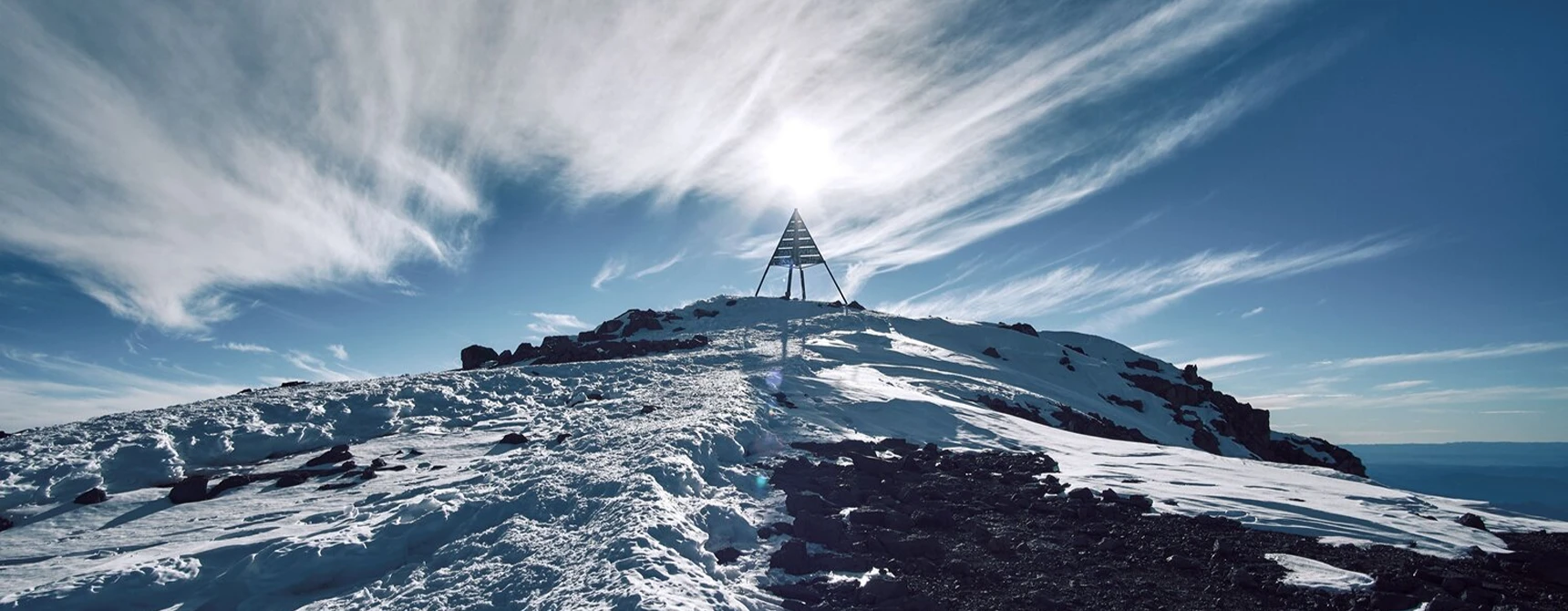
Pack for your activity, season and itinerary
Good equipment helps you stay comfortable and focus on the experience. Conditions in Morocco can vary with altitude, season and time of day, so a flexible layering system is usually more useful than one heavy outfit.
This page is a general guide. Your trip page and pre-departure information should be treated as the main reference for the exact route. If an item is technical, specialised or difficult to travel with, contact Isouktan Expeditions before assuming it is supplied or available locally.
Essential personal equipment
Footwear: supportive, activity-appropriate footwear that has already been worn in.
Layered clothing: a moisture-managing base layer, insulating mid-layer and comfortable walking or riding clothes.
Weather protection: a waterproof and windproof outer layer, plus warm clothing for cooler mornings, evenings and higher ground.
Day pack: large enough for water, spare layers, food and personal essentials, with a rain cover or waterproof liner.
Sun protection: high-protection sunscreen, sunglasses, a sun hat and lip protection.
Hydration: reusable bottles or a hydration system with enough capacity for the day's plan.
Personal items: prescribed medication, basic toiletries, a small personal first-aid supply and any documents specified for the trip.
Trekking & hiking
Choose footwear and layers for the terrain, altitude and expected weather.
Walking boots or trail footwear appropriate to the route
Comfortable walking socks and spare pairs
Lightweight walking trousers and insulating layers
Trekking poles, gaiters and a head torch where the itinerary calls for them
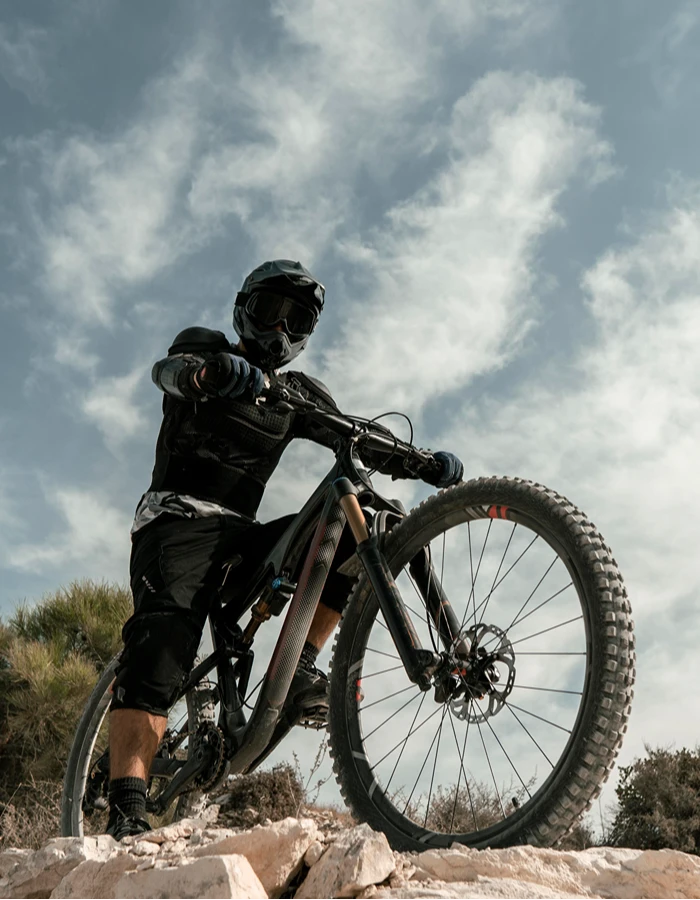
Mountain biking
Riding equipment should suit the route and fit correctly before departure.
A well-fitting cycling helmet
Padded cycling shorts, breathable riding layers and gloves
Protective eyewear and suitable riding shoes
A windproof layer, compact waterproof and additional protection appropriate to the trail
Ski touring & winter trips
Winter mountain travel requires additional warmth and may require technical equipment. The precise list depends on the route, snow conditions and programme.
Warm base layers, insulating jacket and waterproof outer shell
Warm gloves, spare gloves, winter hat, neck protection and suitable socks
Winter footwear or ski-touring boots appropriate to the activity
For ski touring: skis, skins, poles and compatible bindings and boots
Route-dependent technical safety equipment specified in the confirmed trip information
What to pack for Mount Toubkal
A Mount Toubkal packing list must match the route and season. The direct two-day Mount Toubkal trek includes a refuge approach followed by a long summit and descent day. The winter programme adds cold, snow and condition-dependent technical equipment. The Lake Ifni circuit has seven consecutive itinerary days and remote high passes.
For non-winter trekking
Use broken-in mountain footwear suited to rocky trails, a breathable layer for uphill movement, insulation for early starts and altitude, and waterproof/windproof protection. Carry sun protection, water, personal medication, a head torch and spare essentials in your day pack. Confirm the sleeping and refuge items required for your booking.
For a winter ascent
Warm base layers, a reliable insulating jacket, weatherproof outer clothing, winter gloves, warm headwear and suitable socks become more important. The authoritative winter source states that crampons and an ice axe may be needed according to snow conditions and are not included. Do not purchase, rent or travel with technical items until the final list is confirmed, and do not use unfamiliar equipment without appropriate instruction.
Building a flexible layering system
Mountain temperatures can shift between sunny valleys, wind-exposed passes, evening accommodation and early starts. A base layer manages moisture; a mid-layer provides adjustable warmth; an insulating layer supports colder stops; and an outer shell protects from wind and precipitation. Several lighter layers are often easier to regulate than one heavy garment.
Avoid relying on cotton next to the skin for long active days because it can remain damp. Test combinations before departure, including how they fit under backpack straps or cycling protection. Pack warm items where they remain accessible rather than at the bottom of luggage carried separately.
MTB, e-bike and gravel preparation
The cycling catalogue covers different surfaces and durations. The full-day Atlas route uses paved roads, off-road tracks and singletrack; the three-day MTB tour adds consecutive riding; the e-bike and gravel programmes travel across multiple regions. A helmet, padded shorts, gloves, eye protection and weather layers are general personal foundations, but they do not answer bike-provision questions.
Confirm bicycle type, size, pedals, helmet, repair support, battery arrangements and what spares are carried. Do not infer that an e-bike is included merely because the trip title names the activity. If bringing personal equipment, test shoes, pedals, saddle setup and luggage before travel. Use a small riding pack only if it remains stable and does not restrict movement.
Ski touring and avalanche-safety equipment
The ski programmes describe experienced off-piste and touring participants. Touring skis, compatible boots and bindings, skins, poles, helmet and technical clothing are core activity items. Depending on conditions, ski crampons, mountaineering crampons, an ice axe and sections carrying skis may be relevant.
A transceiver, shovel and probe are commonly associated with avalanche terrain, but this page does not claim they are provided. The trip’s excluded list and final arrangements must identify personal and supplied equipment. Equipment alone does not create competence: participants should be honest about uphill skinning, kick turns, variable snow and off-piste experience.
Personal health, sun and hygiene items
Carry prescribed medication in its original or clearly identified packaging and keep essential doses with you. A small personal kit may include blister treatment, simple wound care and items you know how to use. Trip support is not a replacement for personal medical planning or suitable travel insurance.
Strong sun can occur in mountains and southern landscapes, while snow increases reflected light. Use suitable sunglasses, sunscreen, lip protection and head covering. Pack toiletries in small quantities, avoid disposable wipes where possible and follow local guidance for water and waste.
Test, label and organise before departure
Wear footwear on several representative walks or rides rather than saving it for Morocco. Test the full layering system in wind and cooler conditions, adjust backpack straps under load, and make sure gloves still allow you to handle poles, zips or bike controls. Small fit problems can become significant over consecutive days.
Keep critical items—medication, waterproof layer, insulation, water, sun protection and head torch—accessible in the day pack. Use waterproof bags or a liner for sensitive items. Label technical equipment and chargers, especially when travelling with a group using similar kit.
Review airline rules for batteries, tools, poles and sharp technical items. Those rules belong to the carrier and route, not Isouktan Expeditions. Confirm them independently before packing. If renting or arranging equipment locally, obtain confirmation of the item, size and collection plan rather than assuming availability.
Your final equipment check
Use three sources together: this general guide, the published trip page and the final information supplied for your confirmed departure. Resolve contradictions before travelling. Conditions may justify a later adjustment, particularly for winter and ski touring.
A useful final check covers footwear, layers, weather protection, day-pack capacity, hydration, personal medication, sleeping requirements, activity-specific equipment and what is explicitly supplied. Avoid packing extra “just in case” weight when it creates a burden for you or the support arrangement.
Technical equipment is trip-specific. Check your chosen trip and confirm the final list with Isouktan Expeditions before travelling.
Recommended extras
Depending on your itinerary, useful additions may include a head torch, portable power bank, dry bags, blister care, travel towel, ear plugs, small repair items and a lightweight change of clothes for evenings.
Avoid packing unnecessary weight. If you are unsure about luggage limits, technical equipment or seasonal conditions, ask before departure.
View Trips Ask About Equipment