Sustainable Tourism in Morocco

  • Home
  • Sustainable Tourism
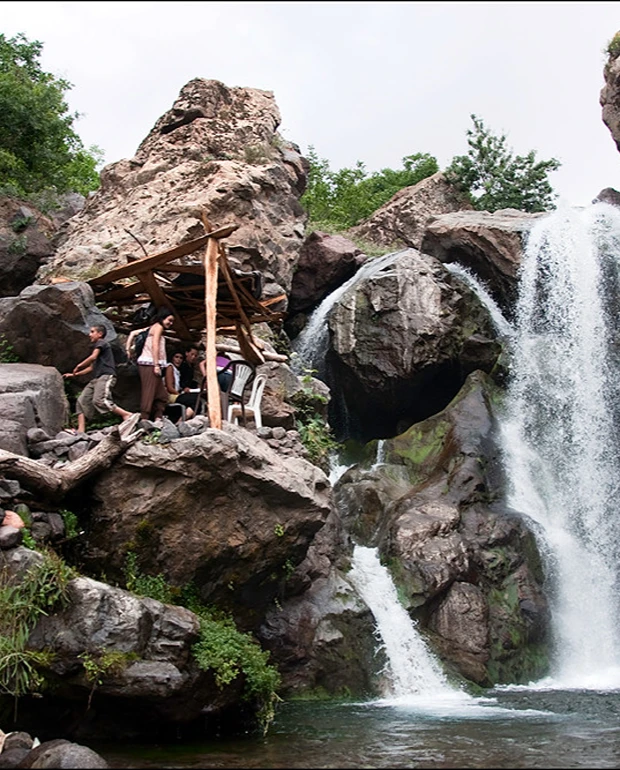
Footpath through a High Atlas mountain landscape
Practical choices, not a marketing badge

Travel carefully through living landscapes

Sustainable tourism is often reduced to broad promises. For Isouktan Expeditions, the safer approach is to describe behaviours that travellers and trip planners can understand: respecting communities, reducing avoidable waste, using water thoughtfully, staying on appropriate routes and considering how spending connects with local services.

The website does not claim an environmental certification, measured carbon reduction or a guaranteed “zero-impact” programme. Mountain travel always has effects. Responsible planning means recognising them, making reasonable choices and avoiding claims that cannot be demonstrated.

Morocco adventure tours cross different environments—from High Atlas valleys and refuges to volcanic plateaus, oases, dunes and Atlantic cycling routes. The most relevant behaviour changes with the place, season and activity.

Respect for mountain communities

Villages on a trekking or biking itinerary are homes and workplaces, not open-air attractions. Paths can pass close to houses, fields, irrigation channels, grazing areas and places of worship. Follow local guidance, keep noise considerate and ask before photographing people. A friendly interaction does not automatically create consent for an image or social-media post.

Clothing and behaviour should be adapted respectfully to local context, especially away from resort or city environments. Travellers do not need to imitate local life, but they should avoid treating cultural differences as entertainment. Learning simple courtesies, listening and accepting advice can make encounters more comfortable for everyone.

Economic participation is also relevant. Where an itinerary explicitly uses local accommodation, transport, food, muleteers, porters or other partners, that spending can connect a journey to the places it crosses. We do not claim a quantified percentage of revenue or a formal community programme because those figures are not documented.

Waste reduction on the route

Carry reusable bottles where water arrangements allow, minimise unnecessary packaging before departure and keep a small bag for personal litter. Food wrappers, tissues and “biodegradable” items should not be left beside trails. If disposal facilities are limited, retain waste until it can be handled appropriately.

Personal hygiene products require particular care. Follow trip guidance for toilets and camps, keep water sources clean and avoid leaving wipes or sanitary items. Batteries and damaged electronics should return with you rather than entering a village waste stream that may not be equipped to process them.

At a refuge, guesthouse or camp, use the available facilities as instructed. The absence of a bin on a remote trail is not permission to bury or burn mixed waste.

Water awareness in dry environments

Water availability can vary significantly between the High Atlas, southern mountain ranges and desert landscapes. Carry the amount specified for the day, but use washing water thoughtfully at accommodation and camps. Shorter showers and avoiding unnecessary laundry can reduce pressure where supply or heating is limited.

Never assume a stream or spring is safe to drink without route-specific advice. Hydration planning belongs in the confirmed practical information. Our general equipment guide recommends reusable capacity but does not invent purification or resupply arrangements for every trip.

Sun, altitude, dry air and physical activity can increase hydration needs. Preparation should balance personal safety with careful use rather than encouraging travellers to under-carry water.

Terraced valley and established trails in Morocco

Trails, camps and sensitive ground

Use established paths and agreed camp areas where possible. Cutting corners can widen erosion, damage vegetation and create confusing parallel tracks. In rocky or snow-covered terrain, route choice also has a safety dimension, so follow the person responsible for leadership.

Do not collect plants, rocks, fossils or cultural objects as souvenirs. Wildlife should be observed without feeding or pursuing it. In grazing country, give animals space and follow guidance around working dogs or mule trains.

These principles resemble commonly known low-impact or Leave No Trace-style practices, but Isouktan Expeditions does not claim a formal certification or affiliation. The value lies in visible behaviour: plan ahead, dispose of waste properly, leave natural and cultural features in place and show consideration for other people.

Responsibility across each activity

Trekking

Keep to the intended route, manage litter, respect water points and avoid overloading personal luggage. Where porter or mule support applies, pack only what the confirmed arrangement permits and treat staff and animals responsibly.

Explore trekking routes

Mountain biking

Control speed near people, animals and settlements; yield appropriately; avoid skidding or widening trails; and respond to wet or damaged surfaces. A route that is rideable is not automatically suitable at every speed or in every condition.

View biking journeys

Ski touring

Condition-led decisions protect both people and place. Respect access guidance, do not treat summits as guaranteed, and accept route changes for snow, weather or avalanche risk. Personal preparation remains essential.

Review ski programmes

Responsible choices before, during and after a trip

Before departure

Choose a route that matches your preparation so avoidable pressure is not transferred to guides, support staff or rescue resources. Bring durable personal equipment rather than relying on last-minute disposable purchases. Ask what can be refilled, what waste facilities exist and whether luggage support has limits.

During the itinerary

Follow decisions about route, camp placement, water and waste. Keep essential items in your own day pack and avoid asking staff to carry unnecessary personal weight. Treat cooks, drivers, muleteers, porters, hosts and guides as colleagues in the journey rather than invisible services. Raise a concern respectfully and early.

After returning

Take batteries, damaged equipment and specialist waste home when local disposal is unsuitable. Share photographs with consent and avoid captions that reduce communities to stereotypes. Feedback can identify practical improvements, but sustainability should not be judged by whether every remote facility matched an urban hotel.

These actions are modest and cannot make travel impact-free. They do, however, turn responsible tourism from a slogan into choices that are visible to hosts, other travellers and the places crossed.


Small groups can make communication and trail management easier, but this site does not claim a fixed group-size sustainability policy. The actual party and staffing arrangement must be confirmed for the selected trip.

Prepare to travel with care

Read the itinerary, understand your responsibilities and ask questions before the journey.

Browse TripsContact Isouktan
WhatsApp