Morocco hiking and trekking tours across distinct landscapes
Walking routes in Morocco range from compact High Atlas summit programmes to longer circuits, volcanic mountain journeys and desert trekking. The eight published itineraries in this category are designed around different regions and rhythms rather than a single version of an Atlas Mountains hike.
The collection includes Mount Toubkal in summer-style and winter contexts, the Lake Ifni circuit, two M’Goun programmes, Jebel Siroua, Jebel Saghro and a Draa Valley and Sahara walking itinerary. Marrakech appears as a gateway in several programmes, but the first and last itinerary days define each actual route.
From Mount Toubkal to the Central High Atlas and southern Morocco
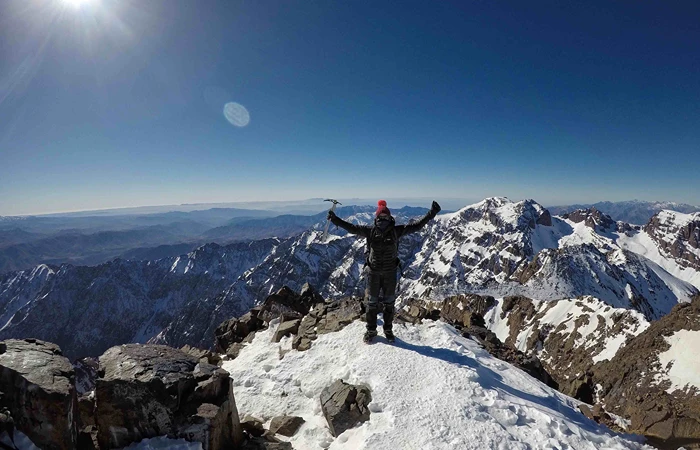
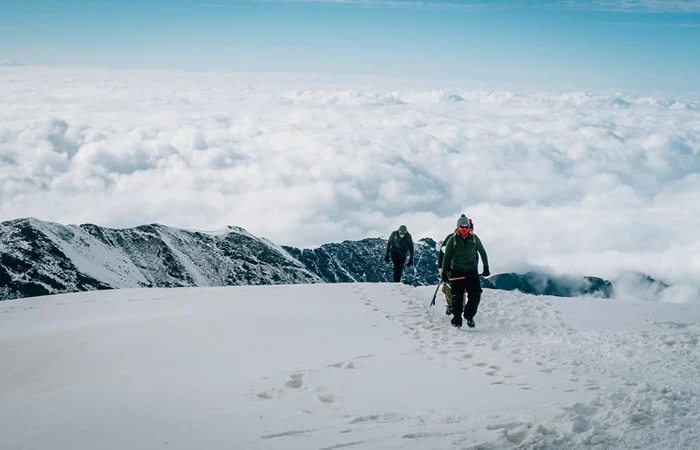
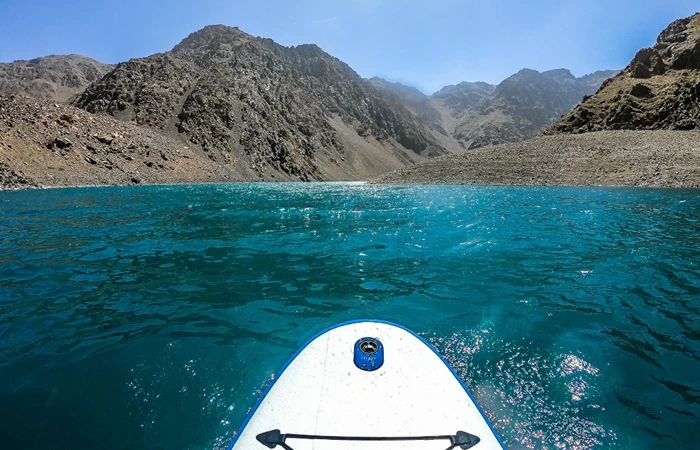
Mount Toubkal routes focus on the Toubkal Massif, with choices ranging from a direct two-day format to a five-day winter approach and a seven-day circuit through Lake Ifni. The M’Goun programmes explore the Central High Atlas through plateau, summit, valley and gorge environments without relying on disputed elevation or ranking claims.
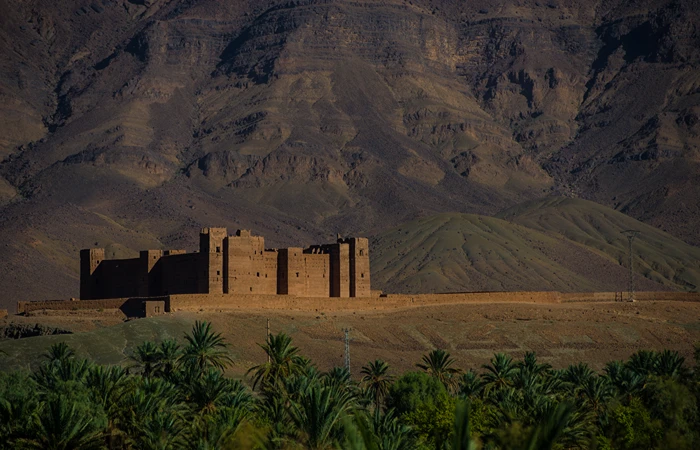
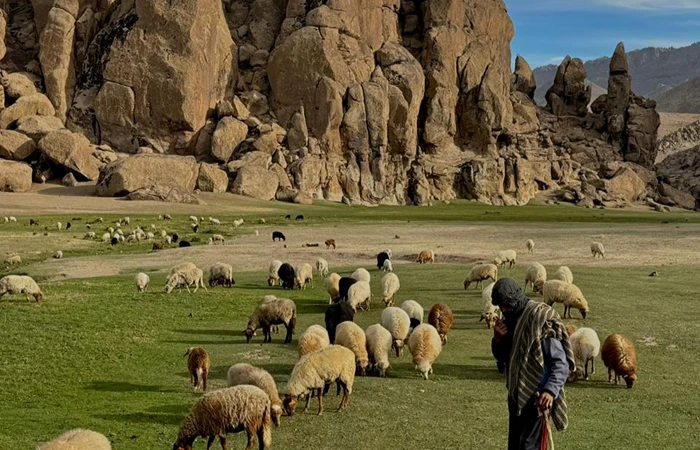
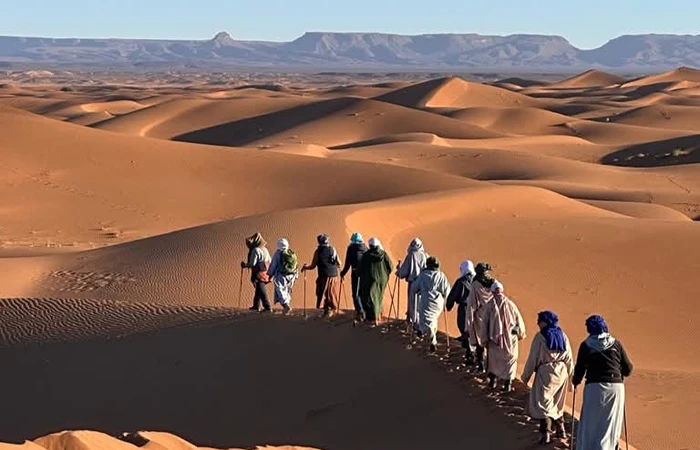
Siroua and Saghro shift the emphasis toward rugged southern mountain landscapes, while the Draa Valley and Sahara programme is a walking journey through oases, villages and dunes with source-stated camel luggage support. It should not be confused with a vehicle-only desert excursion.
Choosing between the available itineraries
Choose first by terrain, duration and recent walking experience. A short Toubkal trek concentrates effort, while a longer circuit adds repeated days and varied overnight routines. M’Goun, Siroua and Saghro offer alternatives to the most familiar summit name; the Sahara route adds heat, dryness and sand rather than high-mountain objectives.
Compare the day-by-day programme, duration, stated difficulty where available, overnight setting, included services and verified pricing. A category label cannot communicate the accumulated demands of consecutive days or the difference between a compact route and a longer journey.
Conditions and timing
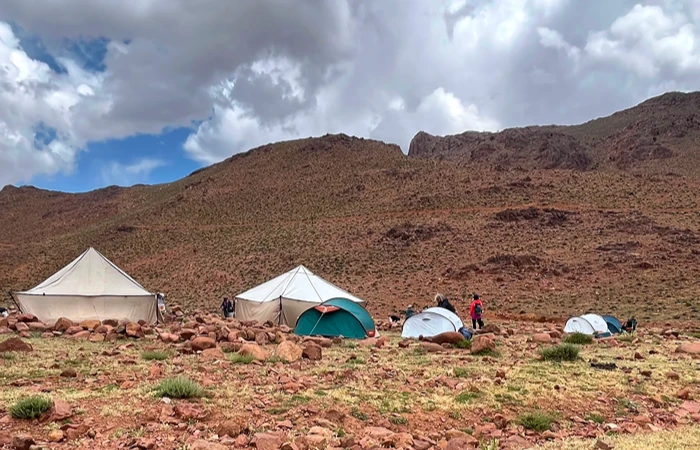
There is no universal trekking season for every Moroccan region. High routes, winter Toubkal, lower southern mountains and desert walking respond differently to altitude, temperature and precipitation. The exact Lake Ifni season remains deliberately neutral because its source documents conflict.
Weather and access can change how a route feels. Winter mountain objectives require particular flexibility, while heat and exposed southern landscapes create different preparation questions. Exact trip guidance takes priority over a broad category overview.
Preparation and practical questions
Footwear, layered clothing, sun protection, hydration and a suitable day pack are common planning themes, but winter equipment and route-specific technical items need direct confirmation. Formal difficulty is intentionally absent for the Sahara programme, so read its daily stages instead of assigning a new label.
Use the equipment guide, accommodation guide and guide and support overview as planning companions. Each explains general principles; the chosen trip page remains the source for confirmed inclusions and route-specific requirements.
How to read the trip pages
On a trekking page, pay particular attention to daily ascent and descent, altitude, consecutive walking time and the overnight setting. A summit name may dominate the title, but valley approaches and the final descent often shape the real effort. Where formal difficulty or practical information is missing, use the day sequence to frame a direct question.
Keep the source-derived sections in view together: the overview explains the product, the itinerary shows the daily sequence, and the included and excluded lists define the service boundary. Pricing tiers apply only where a valid amount and group meaning are recorded. Missing information is left blank rather than converted into a zero, placeholder or general category promise.
Using this collection as a comparison tool
The cards below are starting points, not substitutes for the full programmes. Open several likely options in separate tabs and compare the same questions across them: What happens on the first and final day? How many days contain the main activity? Which terrain or conditions are repeated? Which services are explicitly included, and which personal arrangements remain outside the price?
A useful comparison also recognises uncertainty. A blank field does not mean a service is free, included or unnecessary. It means the available source does not support a public claim. Contact the team with the exact product name when that information affects your decision, especially for technical equipment, accommodation standards, transfers, support or an unpublished price.
Finally, compare the practical consequences of the route rather than choosing only by the most familiar destination. Consecutive days, early starts, exposed terrain, changing surfaces and simple overnight settings can matter as much as the headline summit, valley, coast or activity style.
Planning your request
Review the trip cards below, then open the most relevant programme for itinerary, inclusions, exclusions, price and practical details. Questions about pacing, accommodation or support should identify the exact trek because arrangements legitimately differ.
The How to Book page explains the manual request workflow. If two programmes appear suitable, include both names in a contact enquiry and describe your recent experience, preferred dates and main questions.